Turning Screen Time Into an Opportunity for Active Play
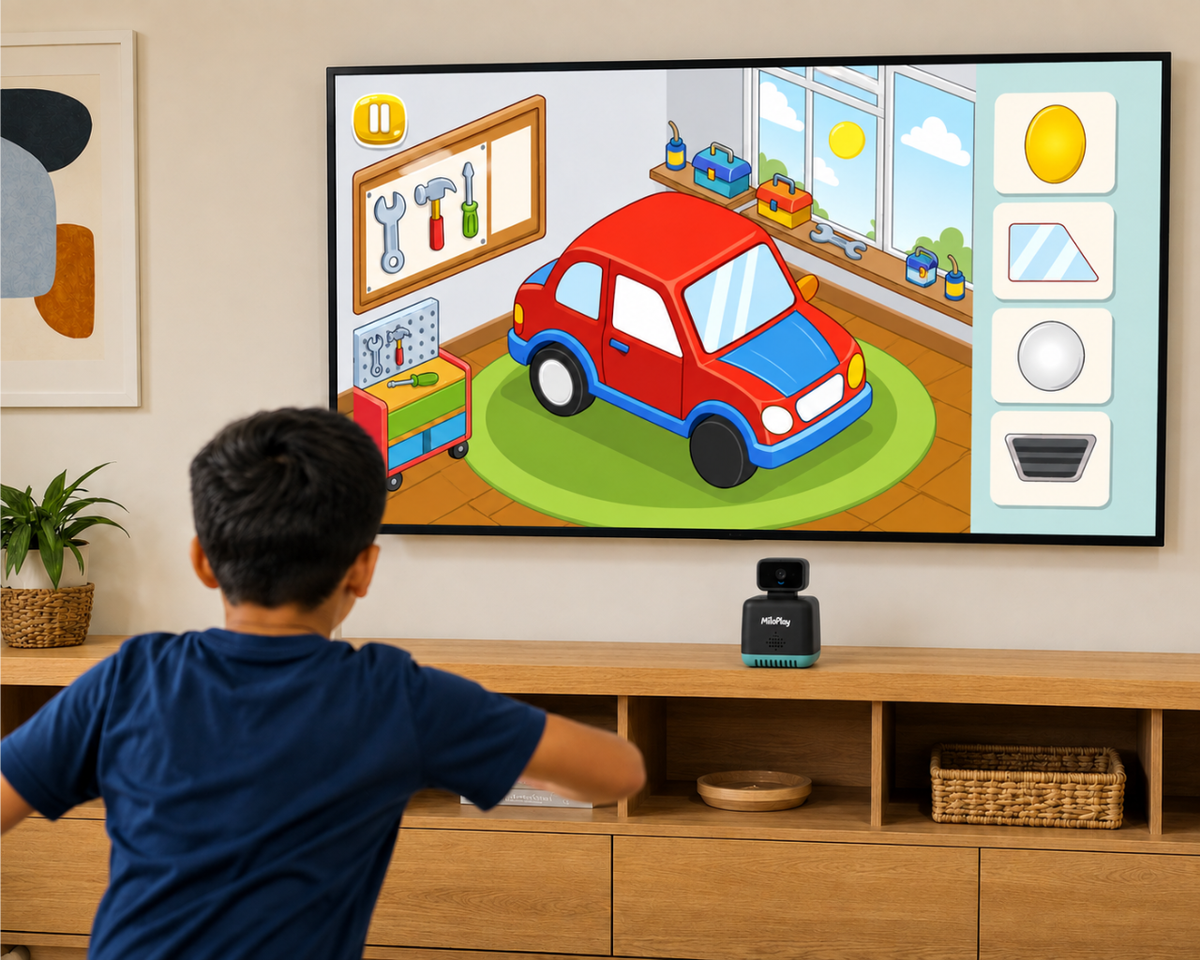
A child may start a digital game expecting a few minutes of entertainment and end up moving, thinking, laughing, and solving challenges without realizing how much activity is involved. As screens become increasingly common in family life, the quality of digital engagement matters alongside the amount of time spent using devices. Active Screen Time For Kids can provide a different approach by encouraging physical movement, mental participation, and playful exploration. The central idea is simple: digital experiences do not always have to mean sitting still, particularly when carefully designed activities invite children to participate with their bodies and minds.
Movement Can Change the Digital Experience
Traditional screen activities often involve watching or tapping while remaining relatively stationary. Active digital play can introduce movement through activities that encourage jumping, stretching, balancing, dancing, or responding to visual prompts. This can make a digital session more physically engaging without removing the entertainment that attracts children to games. Movement-based activities may also provide natural breaks from prolonged sitting. The objective is not necessarily to turn every game into exercise, but to create opportunities where children can move naturally while following instructions, completing challenges, or interacting with characters and virtual environments.
Play Can Support Different Learning Skills
Games can provide children with opportunities to practice skills through repetition and immediate feedback. Depending on the activity, a child may need to remember sequences, identify colors, follow directions, recognize patterns, or make quick decisions. These experiences can complement other forms of learning when designed appropriately for a child's developmental stage. Interactive Games For Kids can combine entertainment with tasks that require attention and participation, allowing children to learn through experimentation. The playful format can make repetition feel less like formal practice while encouraging curiosity, persistence, and problem-solving during age-appropriate challenges.
Physical Participation Can Encourage Variety
Children benefit from having different kinds of activities throughout the day, including active play, creative pursuits, social interaction, rest, and quiet concentration. Digital movement games can become one component within that broader routine. For example, a short interactive activity might encourage a child to stand up and move before returning to drawing, reading, outdoor play, or another task. Variety is important because no single form of entertainment or activity provides every developmental benefit. Parents and caregivers can therefore consider active digital play as one option among many rather than treating it as a replacement for traditional physical activities.
Design Features Can Influence Engagement
The quality of a digital activity depends greatly on how it is designed. Clear instructions, responsive controls, age-appropriate challenges, appealing visuals, and understandable goals can help children remain engaged without becoming overwhelmed. Activities that gradually increase difficulty may encourage children to develop confidence as they progress. Excessive complexity, confusing menus, or poorly matched challenges can have the opposite effect. Good design also considers accessibility so children with different abilities can participate meaningfully. When technology responds naturally to a child's actions, the experience can feel more like play and less like simply operating a device.
Parents Can Help Create Healthy Boundaries
Technology becomes easier to manage when children understand when, where, and how digital play fits into daily routines. Parents can establish practical boundaries around device use while considering age, individual needs, sleep schedules, school responsibilities, and other activities. Taking part in games occasionally can also help adults understand what a child enjoys and whether the content is suitable. Rather than focusing exclusively on a fixed number of minutes, families can consider the overall quality and context of screen use. A balanced routine can leave room for movement, conversation, outdoor experiences, creative play, and sufficient rest.
Social Play Adds Another Dimension
Digital activities can sometimes encourage social interaction rather than isolating children from others. Cooperative challenges, turn-taking activities, movement games, and shared problem-solving can create opportunities for children to communicate and work together. Adults and siblings can participate where appropriate, turning a digital activity into a shared experience. Social interaction may also teach children how to follow rules, wait for turns, handle mistakes, and celebrate progress. These skills extend beyond gaming and can be useful in everyday situations. The social value of a digital activity therefore depends partly on its design and how children engage with it.
Balance Remains the Most Important Consideration
Digital play can be engaging, but a balanced childhood includes many experiences that happen away from screens. Outdoor movement, imaginative play, hands-on activities, reading, family conversations, hobbies, and peer interaction all contribute different experiences. A thoughtfully selected digital activity can fit into this broader mix without becoming the center of a child's routine. Parents can observe whether a particular activity leaves children energized, frustrated, overstimulated, or eager to continue exploring. Such observations can help determine whether a digital experience is suitable for an individual child and how it can fit comfortably within everyday family life.
Conclusion: Making Digital Play More Purposeful
The growing role of technology in childhood creates opportunities to reconsider what screen-based entertainment can offer. Digital play that combines movement, interaction, creativity, and problem-solving can provide a more participatory experience than passive viewing alone. However, its value depends on thoughtful design, suitable content, reasonable boundaries, and balance with offline activities. Families exploring movement-focused digital entertainment can consider products and platforms such as Milo Play while evaluating whether an experience matches a child's interests, abilities, and daily routine. The goal is not simply more screen time, but more meaningful opportunities for children to play, move, explore, and learn.
Social Media Links :-