Making Everyday Screen Time More Engaging and Physical
A child can spend hours enjoying a favourite game, yet remain seated for most of the experience. As digital entertainment becomes increasingly common, parents are looking for ways to combine technology with movement, creativity, and healthy routines. Interactive gaming offers one possible approach by encouraging children to move their bodies while responding to activities displayed on a screen. When chosen thoughtfully, Active Screen Time For Kids can become an opportunity to combine entertainment with physical activity, coordination, and family interaction, rather than relying exclusively on passive viewing or traditional controller-based games.
Understanding the Difference Between Active and Passive Gaming
Not all screen-based activities encourage the same level of participation. Watching videos or playing games using only small finger movements generally involves limited physical activity. Motion-based games, however, may ask children to jump, stretch, dance, balance, or move their arms to complete challenges. These activities introduce a physical element that can make digital entertainment more interactive. The amount of movement varies according to the game, its design, and the child's engagement. Parents can support healthier habits by choosing activities that encourage regular movement while maintaining reasonable limits on recreational screen use.
Why Movement Matters During Childhood
Physical activity supports children's overall development, including muscle strength, coordination, balance, and cardiovascular fitness. Active play also provides opportunities to practise new movements, develop confidence, and explore personal abilities. Children benefit from varied activities throughout the day, including outdoor games, sports, walking, dancing, and imaginative play. Digital movement games may complement these experiences when outdoor play is unavailable or weather conditions make indoor activities more convenient. However, they should not replace all forms of physical activity. A balanced routine gives children opportunities to develop different skills through both technology-based entertainment and movement away from screens.
Exploring Motion-Based Gaming for Children
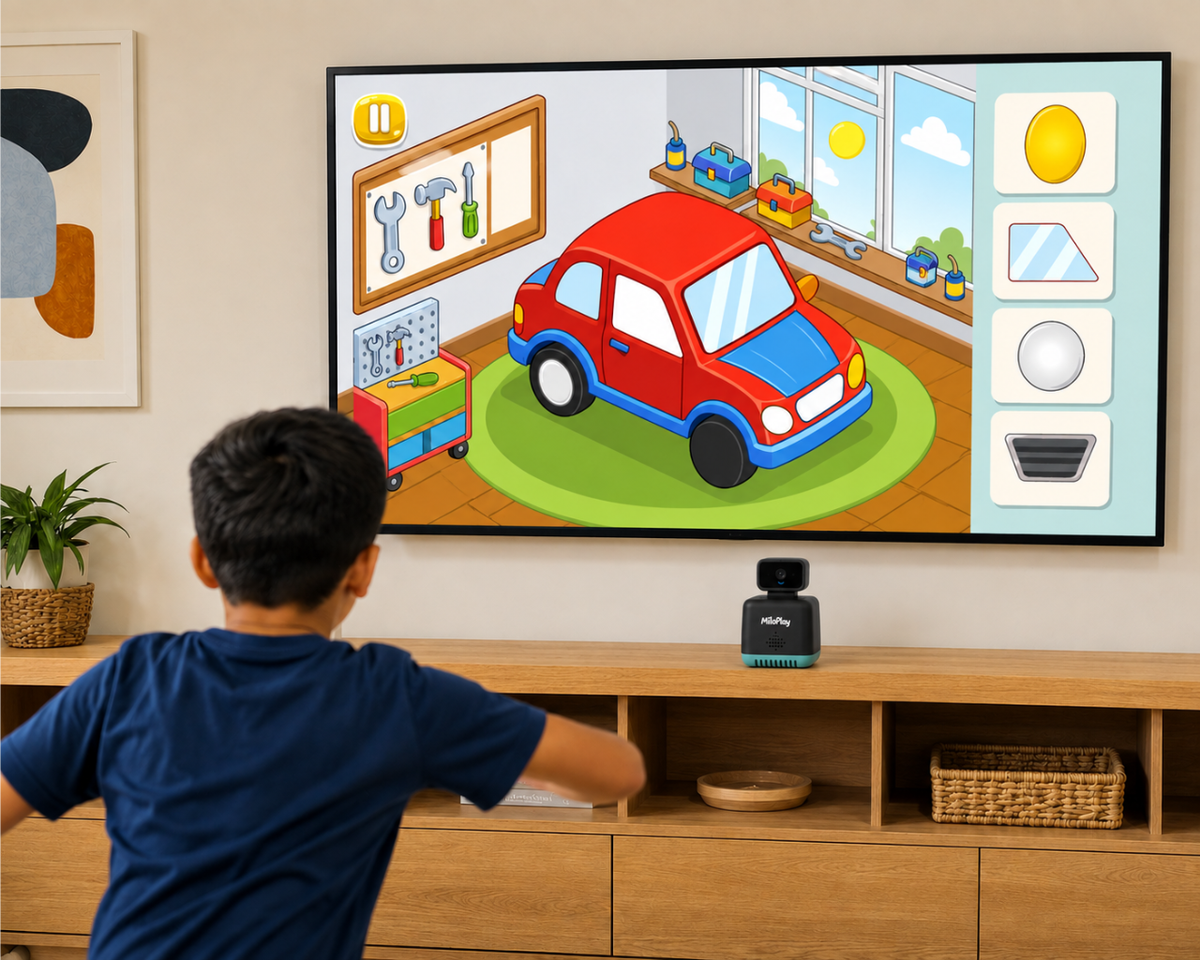
Motion-controlled entertainment uses cameras, sensors, or other input technology to recognise physical movements and translate them into actions within a game. Families considering a Kids Motion Gaming Console can explore activities designed around dancing, sports-inspired challenges, movement exercises, and interactive adventures. These experiences may encourage children to stand up and participate rather than remain seated throughout a session. Before choosing a system, parents should review age recommendations, game selection, setup requirements, privacy features, and the amount of space needed. Selecting suitable content helps ensure that the experience matches children's abilities, interests, and household routines.
Supporting Coordination and Motor Skill Development
Interactive movement games can provide opportunities for children to practise timing, balance, spatial awareness, and coordination. For example, following on-screen dance movements may encourage children to synchronise their actions with visual and audio cues. Reaching for virtual objects can involve body awareness, while sports-themed activities may introduce basic movement patterns. The developmental value depends on the activity and how frequently the child participates. These games are not a substitute for structured instruction or varied physical play, but they can offer an enjoyable way to practise movement. Encouragement and age-appropriate challenges help keep participation positive.
Making Gaming a Shared Family Activity
Gaming does not have to be an isolated activity. Parents, siblings, and other family members can join movement-based games, take turns completing challenges, or create friendly household competitions. Shared participation can encourage communication, cooperation, and positive interaction between different age groups. Families may also use games as an opportunity to establish simple routines, such as choosing an activity after homework or enjoying a short movement session on rainy afternoons. The focus should remain on participation and enjoyment rather than winning. When adults model balanced technology habits, children can learn that digital entertainment works best alongside other everyday activities.
Creating a Safe and Comfortable Gaming Space
An appropriate playing environment is important whenever children engage in movement-based entertainment indoors. The area should provide enough room for stretching, turning, and stepping without hitting furniture, walls, or other people. Fragile objects, loose cables, and slippery rugs should be moved away from the activity space. Children should wear suitable clothing and footwear for the movements involved, following the game's safety instructions. Parents should supervise younger players and adjust activities to suit individual abilities. Breaks are also important, particularly when a game involves repeated jumping or energetic movement, as children need opportunities to rest and drink water.
Building Healthy Screen Time Routines
Even interactive games require thoughtful time management. Families can establish clear expectations about when gaming is appropriate, how long sessions should last, and which activities take priority. Homework, sleep, meals, social interaction, and other forms of play should remain part of a child's daily routine. The appropriate amount of recreational screen time depends on age, individual needs, and family circumstances. Parents can observe whether gaming affects sleep, mood, or interest in other activities and make adjustments when necessary. Keeping devices out of bedrooms at bedtime and scheduling regular breaks can also support healthier technology habits.
Choosing Games That Encourage Positive Experiences
The best gaming experiences for children are engaging, understandable, and appropriate for their developmental stage. Parents should look for clear instructions, manageable difficulty levels, inclusive activities, and content that encourages participation without excessive pressure. Games that offer a variety of movement challenges may help maintain interest over time. It is also useful to review advertising, in-game purchases, online communication features, and data collection policies before allowing children to play. Choosing content carefully can reduce unwanted distractions and make the experience easier to supervise. Children's own preferences should also be considered when selecting activities they are likely to enjoy.
Conclusion: Combining Digital Entertainment With Active Play